.png)
Whiskey Sour Variations You Should Try
The best whiskey sour variations to try include the classic Boston Sour with egg white, the wine-topped New York Sour, the honey-sweetened Gold Rush, and fruit-forward twists featuring seasonal ingredients like blackberry or apple. Each variation builds on the same foundational formula—whiskey, tart citrus, and something sweet—while introducing new flavors, textures, or presentation styles that transform this timeless cocktail into something fresh. Whether you prefer bourbon whiskey, rye whiskey, or Tennessee whiskey as your base, mastering these whiskey sour variations gives you a versatile toolkit for impressing guests and elevating your home bartending skills.

The whiskey sour has endured for over 150 years precisely because it invites experimentation. As long as you maintain the essential trifecta of spirit, citrus, and sweetener, the possibilities for customization are nearly endless. This guide walks you through the variations worth adding to your repertoire, from crowd-pleasing classics to bold, spirit-forward builds that showcase the depth of American bourbon.
What Makes a Whiskey Sour a Whiskey Sour?
A whiskey sour is defined by three essential components: whiskey, tart citrus juice (traditionally lemon), and a sweetener. This balance of spirit, sour, and sweet creates the template that has made the cocktail a staple since the mid-1800s.
The beauty of this formula lies in its flexibility. You can swap the type of whiskey, change the citrus, adjust the sweetener, or add complementary ingredients—and as long as that core trifecta remains intact, you still have a whiskey sour. This is what separates a true variation from an entirely different cocktail.
Egg white is a common but optional addition that creates a silky foam and smoother mouthfeel. Many classic recipes include it, but plenty of excellent whiskey sours skip it entirely. The egg white contributes texture rather than flavor, so its inclusion comes down to personal preference and the style of drink you want to serve.
Understanding these fundamentals helps you approach variations with confidence. When you know the rules, you can bend them creatively without losing what makes the cocktail work. For more foundational bourbon knowledge, the Jim Beam bourbon vs. whiskey page explains what makes bourbon different from other whiskeys, the spirit that anchors most whiskey sour recipes.
Choosing Your Whiskey: Bourbon, Rye, or Tennessee Whiskey
Your choice of whiskey shapes the entire character of your sour, so selecting the right base spirit is the most important decision you'll make. Bourbon whiskey delivers sweetness and warmth with notes of vanilla, caramel, and oak. Rye whiskey brings spicier, more assertive flavors with hints of pepper and baking spices. Tennessee whiskey offers a mellower, smoother profile thanks to its charcoal filtering process.
For a classic, approachable whiskey sour, bourbon is the most popular choice. Its natural sweetness complements the citrus and simple syrup beautifully, creating a balanced drink that appeals to both newcomers and seasoned cocktail enthusiasts. This is why bourbon whiskey sour recipes dominate most cocktail menus and home bar rotations.
Rye whiskey works exceptionally well when you want a drier, more complex sour with a bit of bite. The spice cuts through the sweetness and creates a cocktail that feels more sophisticated and less dessert-like. If you enjoy Manhattan cocktails or prefer your drinks on the less-sweet side, rye is worth exploring.
Tennessee whiskey splits the difference with its smooth, slightly charred character. It produces a whiskey sour that's easy-drinking but with subtle depth.
Irish whiskey offers another option entirely, bringing a lighter, grassier profile that creates a gentler sour. It is a common choice for those who want something softer than American whiskey typically delivers. Japanese whisky is another direction: House of Suntory's Toki, a blend of whiskies from the Yamazaki, Hakushu and Chita distilleries with silky smoothness, vibrant citrus notes and a subtle hint of spice, is the base of the brand's own Toki Whisky Sour, made with 2 oz of Toki, 1 oz of fresh lemon juice and half an ounce of elderflower syrup (egg white optional), served in a coupe with a mint garnish.
When exploring which expression works best for your preferred style, the best bourbons for mixed drinks and cocktails provides guidance on matching Jim Beam expressions to different cocktail applications.
Classic Whiskey Sour Variations to Master
The classic whiskey sour variations represent the cocktail's evolution over more than a century, and mastering them gives you a foundation for all future experimentation.
The Traditional Whiskey Sour combines two ounces of bourbon with three-quarters ounce each of fresh lemon juice and simple syrup. Shake with ice, strain into a rocks glass over fresh ice, and garnish with a cherry and orange slice. This is the baseline against which all variations are measured. Maker's Mark publishes the same ratio in its own Maker's Sour, made with Maker's Mark Kentucky Straight Bourbon, a wheated bourbon (made with soft red winter wheat instead of rye) with notes of sweet oak, vanilla and bright cherry that suit citrus-forward drinks.
The Boston Sour adds egg white to the traditional recipe, creating that signature frothy top and velvety texture. To achieve the best foam, use the dry shake method: shake all ingredients without ice first to emulsify the egg white, then add ice and shake again to chill. The result is a more luxurious drinking experience that looks as impressive as it tastes.

The New York Sour takes the Boston Sour one step further by floating a half-ounce of dry red wine on top. The wine creates a striking visual layer and adds tannic complexity that plays beautifully against the bourbon's sweetness. Pour the wine slowly over the back of a bar spoon to achieve clean separation.

The Gold Rush modernizes the classic by swapping simple syrup for honey syrup (equal parts honey and warm water, stirred until combined). The honey adds floral depth and a richer sweetness that pairs exceptionally well with bourbon's caramel notes. This variation has become a modern classic in its own right.
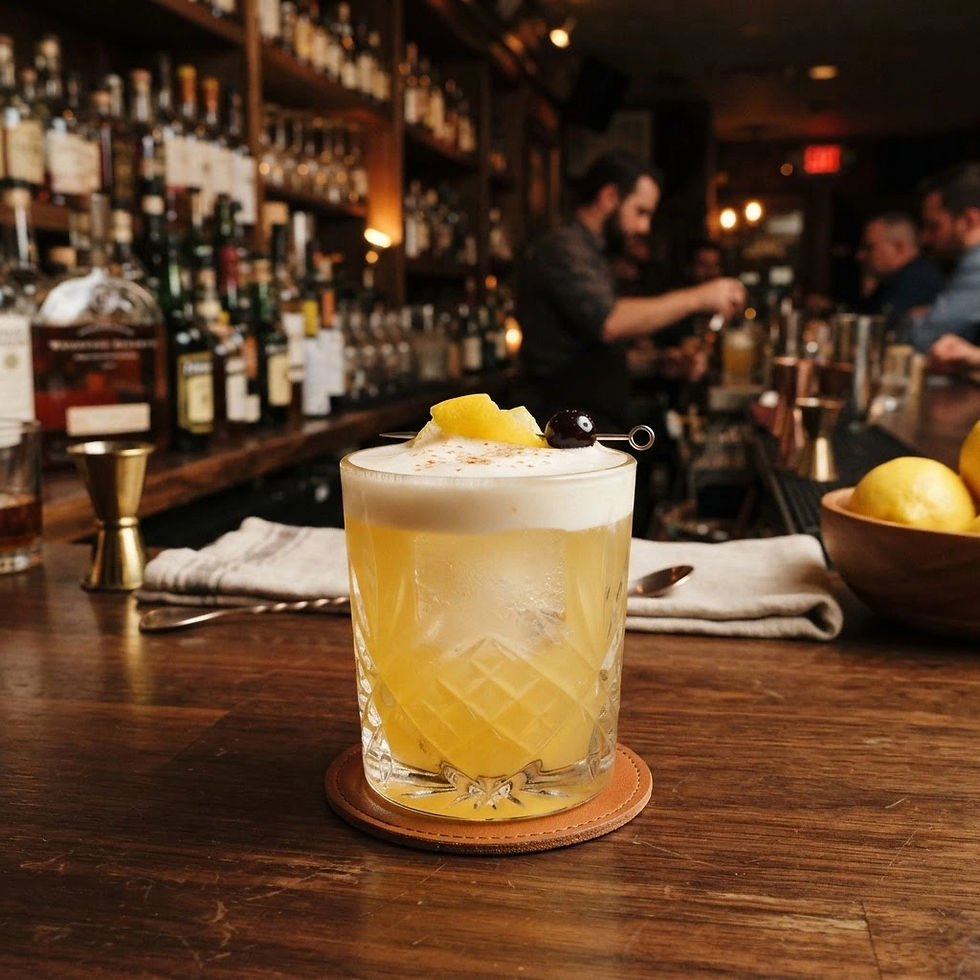
The Amaretto Sour is traditionally made with amaretto liqueur and lemon juice, and the bourbon version adds whiskey to that base, creating a nutty, slightly sweeter variation. The almond notes from the amaretto complement bourbon's vanilla character, resulting in a drink that feels indulgent without being cloying.
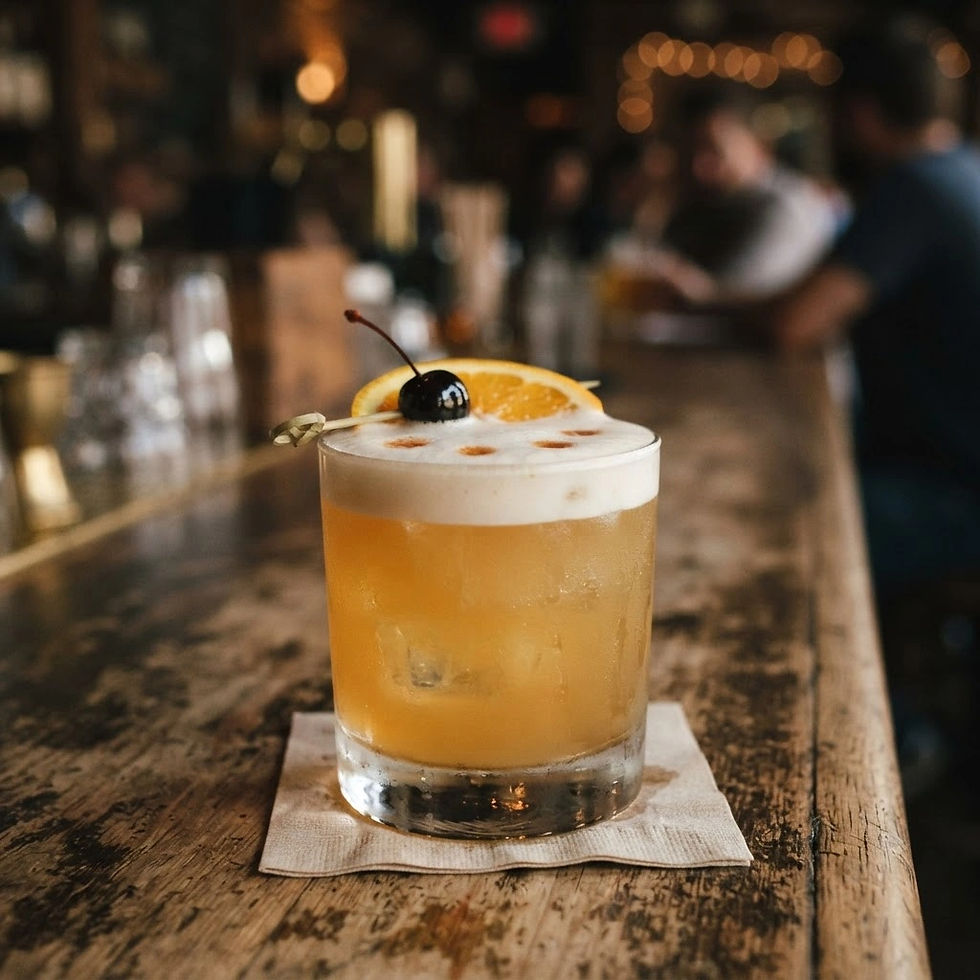
Each of these classics demonstrates how small changes—an added ingredient, a different sweetener, a visual flourish—can create an entirely new drinking experience while honoring the original formula.
Seasonal and Fruit-Forward Twists on the Whiskey Sour
Seasonal ingredients transform the whiskey sour into a cocktail that feels fresh and timely, making these variations perfect for entertaining throughout the year.
Spring and Summer Variations
Warm weather calls for bright, refreshing twists. A Blackberry Whiskey Sour muddles fresh blackberries into the shaker before adding your bourbon, lemon, and simple syrup. The berries contribute natural sweetness and a gorgeous purple hue that looks stunning in a coupe glass. Maker's Mark takes a similar route in its Unrivaled Sour, a fruit-kissed whisky sour that pairs Maker's Mark Kentucky Straight Bourbon with blackberry syrup and sour mix.
For an even easier fruit-forward option, Jim Beam Apple is Jim Beam Kentucky Straight Bourbon blended with apple liqueur, so the apple flavor is already built in. The brand suggests it in highballs, mules and apple ades, so using it in a sour is an adaptation: try standard sour proportions for an orchard-inspired variation, and taste before adding more syrup, since it is already sweet.
A Peach Whiskey Sour works beautifully in late summer when stone fruits are at their peak. Muddle fresh peach slices or add a half-ounce of peach nectar to your standard recipe. The result is a Southern-inflected cocktail that captures the season perfectly.
Fall and Winter Variations
As temperatures drop, richer flavors come into play. A Maple Whiskey Sour substitutes pure maple syrup for simple syrup, adding autumnal warmth and a deeper sweetness that stands up to bolder bourbon expressions. Dark, robust-tasting maple syrup (formerly labeled Grade B) works best for cocktails, as its stronger flavor doesn't get lost.
Spiced Apple Cider Sours replace some of the lemon juice with fresh apple cider and add a dash of cinnamon or allspice. This variation feels like fall in a glass and pairs wonderfully with holiday gatherings.
A Cranberry Whiskey Sour brings festive color and tartness to winter entertaining. Add an ounce of unsweetened cranberry juice to your standard recipe and reduce the lemon slightly to maintain balance. Garnish with fresh cranberries and a rosemary sprig for a presentation that impresses.
For more warm-weather inspiration, easy and refreshing summer bourbon drinks offers additional seasonal cocktail ideas that complement these whiskey sour variations.
Smoky and Spirit-Forward Bourbon Whiskey Sour Recipes
When you want the whiskey to take center stage, spirit-forward variations dial back the sweetness and let the bourbon's complexity shine.
The Smoky Whiskey Sour introduces smoke through one of several methods. The simplest approach uses a smoky bourbon or adds a quarter-ounce of mezcal alongside your primary whiskey. For a more dramatic presentation, smoke the glass itself using a smoking gun or by briefly inverting it over smoldering wood chips before building the drink. To get the smoke from the whisky itself, Laphroaig, the Islay single malt Scotch known for its peat smoke, makes its own Smoky Whisky Sour with Laphroaig Oak Select (a single malt matured in several barrel types and finished in virgin American oak). The brand's recipe uses 40 ml of whisky with 20 ml each of fresh lemon juice, sugar syrup and egg white or aquafaba, dry shaken for 30 seconds, shaken again with ice, double strained over ice and finished with an orange twist. It is a Scotch rather than a bourbon, so it steps outside this guide's American focus, and its richer, more sour-leaning ratio differs from the traditional recipe above.
Jim Beam Black excels in spirit-forward variations thanks to its extra aging, which develops deeper oak and caramel notes that hold their own against reduced sweetener levels. Try cutting your simple syrup to a half-ounce while keeping the full two ounces of Jim Beam Black for a drier, more contemplative sour.
The Brown Derby offers another spirit-forward classic, substituting grapefruit juice for lemon and honey syrup for simple syrup. The grapefruit's bitterness and the honey's floral quality create a more complex, adult-oriented cocktail that showcases bourbon's versatility.
Jim Beam Double Oak brings twice-barreled depth to any whiskey sour variation. Its intensified vanilla and toasted oak character makes it ideal for builds where you want the bourbon to dominate. A Double Oak whiskey sour with just lemon and a touch of demerara syrup lets the spirit's complexity speak for itself.
The Paper Plane represents a more adventurous spirit-forward direction, combining equal parts bourbon, a bitter orange aperitif, a bittersweet amaro, and lemon juice. While it stretches the definition of a sour, it demonstrates how far the category can extend while maintaining that essential whiskey-citrus-sweet balance. Maker's Mark publishes its own Paper Plane with the same equal parts of Maker's Mark, a bitter orange aperitif, a bittersweet amaro and lemon juice.
For those who appreciate the distinction between bourbon vs whiskey in cocktail applications, these spirit-forward variations highlight why bourbon's specific flavor profile—mandated by law to come from new charred oak barrels—creates such distinctive results in sour cocktails.
Tips for Perfecting Your Whiskey Sour at Home
Technique matters as much as ingredients when crafting an excellent whiskey sour, and a few key practices separate good drinks from great ones.
Always use fresh citrus. Bottled lemon juice contains preservatives that create off-flavors and lacks the brightness of freshly squeezed. One medium lemon yields roughly one to one and a half ounces of juice, so keep several on hand when mixing for guests.
Make your own simple syrup. Combine equal parts sugar and water, stir until dissolved, and refrigerate for up to two weeks. This takes five minutes and produces noticeably better results than store-bought alternatives. For variations, try demerara sugar for deeper molasses notes or add herbs like rosemary during the simmering process.
Shake vigorously for at least 15 seconds. Proper dilution and chilling require sustained shaking. The cocktail should be ice-cold when strained, and you should see condensation forming on the outside of your shaker.
Master the dry shake for egg white drinks. When making a Boston Sour or any variation with egg white, shake without ice first for 30 seconds to emulsify the proteins. Then add ice and shake again to chill. This two-step process creates superior foam.
Strain twice for the smoothest texture. Pour through your Hawthorne strainer, then through a fine-mesh strainer to catch any ice chips or citrus pulp. This extra step produces a more refined final product.
Taste and adjust before serving. Citrus acidity varies, so a quick taste allows you to add a splash more syrup or lemon to achieve perfect balance. This habit separates home bartenders from true cocktail enthusiasts.
For those just beginning their cocktail journey, Beam and Lemonade offers an approachable citrus-forward serve that builds confidence before tackling more complex whiskey sour variations.
Start Mixing with Jim Beam
The whiskey sour's enduring popularity comes from its perfect balance of simplicity and possibility. With the right bourbon as your foundation, you can create everything from a faithful classic to an inventive seasonal twist that becomes your signature serve.
Jim Beam is a Kentucky bourbon made by the Beam family for more than 225 years, offering a smooth character with notes of caramel and vanilla that suits this cocktail well. Its versatility means it works equally well in a traditional sour, a fruit-forward variation, or a spirit-forward build where you want the bourbon's personality to shine through.
Start with the classic recipe to establish your baseline, then work through the variations that appeal to your palate. Keep notes on what you enjoy—preferred sweetness levels, favorite seasonal additions, whether you like egg white or prefer to skip it. Over time, you'll develop an intuitive sense for how to balance flavors and may even create variations entirely your own.
The best whiskey sour is ultimately the one you enjoy making and sharing. With these variations in your repertoire and quality bourbon in your home bar, you're equipped to impress guests, explore new flavor combinations, and discover why this 150-year-old cocktail remains one of the most beloved drinks in the world.
Frequently Asked Questions
What are the most popular whiskey sour variations to try?
The most popular whiskey sour variations include the Boston Sour (with egg white for a frothy texture), the New York Sour (topped with red wine), the Gold Rush (made with honey syrup instead of simple syrup), and the Amaretto Sour (blending bourbon with amaretto liqueur). Fruit-forward variations featuring blackberry, peach, or apple are also widely enjoyed, especially during their respective seasons.
What is the difference between a Boston Sour and a New York Sour?
A Boston Sour is a whiskey sour made with egg white, which creates a silky foam on top of the drink. A New York Sour includes the egg white but adds a float of dry red wine on top, creating a visually striking layered effect and adding tannic complexity to the flavor profile. The wine float is what distinguishes the New York Sour from its Boston counterpart.
Which whiskey is best for a whiskey sour: bourbon, rye, Tennessee, or Irish whiskey?
Bourbon whiskey is the most popular choice for whiskey sours because its natural sweetness and vanilla notes complement the citrus and sweetener beautifully. Rye whiskey creates a drier, spicier sour with more complexity. Irish whiskey produces a lighter, gentler cocktail. The best choice depends on your flavor preferences—bourbon for approachable sweetness, rye for spice and sophistication, or Irish whiskey for a softer profile.
Can you make a whiskey sour without egg white?
Yes, you can absolutely make a whiskey sour without egg white. The egg white adds texture and a frothy appearance but does not significantly impact the core flavor of the cocktail. Many bars and home bartenders skip the egg white entirely, and the drink remains delicious. The essential components are whiskey, citrus, and sweetener—everything else is optional customization.
What is a Gold Rush cocktail and how does it relate to a whiskey sour?
A Gold Rush is a whiskey sour variation that replaces simple syrup with honey syrup (equal parts honey and water). Created in the early 2000s at the famous Milk & Honey bar in New York, it has become a modern classic. The honey adds floral depth and a richer sweetness that pairs exceptionally well with bourbon's caramel and vanilla notes, making it a more complex take on the traditional sour.
How do you make a whiskey sour vegan-friendly?
To make a vegan-friendly whiskey sour, substitute aquafaba (the liquid from canned chickpeas) for egg white. Use about one ounce of aquafaba per drink and follow the same dry shake technique you would use with egg white. Aquafaba creates a similar frothy texture and silky mouthfeel without any animal products, making it an excellent plant-based alternative.
What sweetener substitutes can I use in a whiskey sour variation?
Common sweetener substitutes for whiskey sour variations include honey syrup (for a Gold Rush), maple syrup (for autumnal warmth), demerara syrup (for deeper molasses notes), and agave nectar (for a lighter sweetness). You can also use flavored simple syrups infused with herbs like rosemary or lavender. Each sweetener creates a distinct flavor profile while maintaining the essential sweet component that balances the citrus.


